

Table of Contents
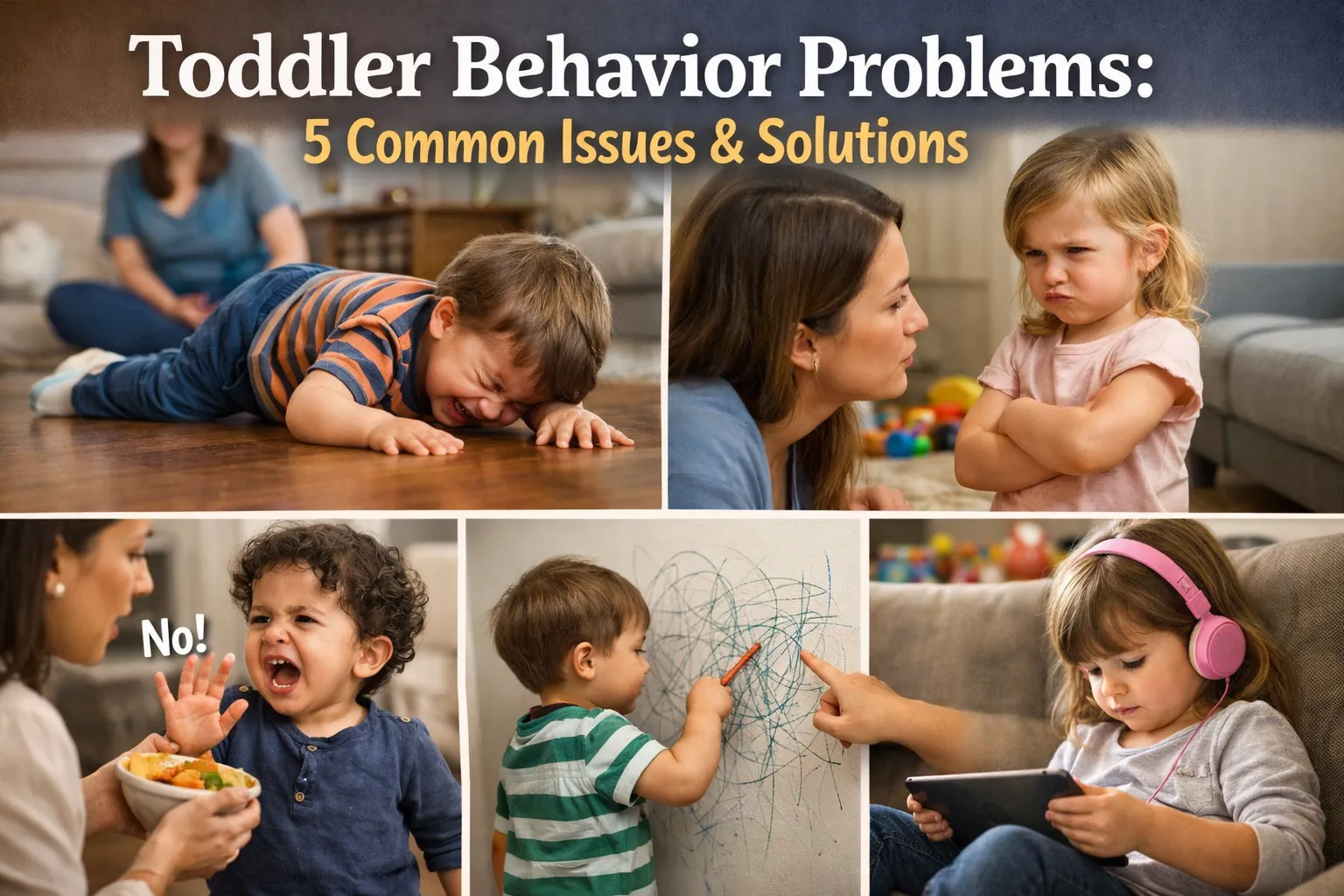
Understanding Toddler Behavior Problems starts with recognizing that behavior is communication. Toddlers (ages 1–3) experience rapid brain and emotional growth. During these years, tantrums, refusal to share, and separation anxiety are typical and often linked to emerging independence, language delays, or frustration.
Common toddler behavior issues include frequent outbursts, aggression, bedtime resistance, clinginess, and refusal to follow instructions. Most of these behaviors are age-related learning moments, not intentional defiance, and will decrease as skills mature.
For example, a global study of nearly 20,000 children found that about 33.3% of toddlers exhibit some behavior concerns, often linked to aggressive or hyperactive patterns. Many issues stem from a toddler’s limited ability to regulate emotions and communicate needs. Expert consensus shows that toddlers benefit from consistent routines, clear expectations, and positive reinforcement.
Early recognition and structured strategies can reduce stress for families and support healthy social and emotional growth. By offering guidance rooted in developmental understanding and real data, we help caregivers approach behavior problems calmly and confidently.
1. Frequent Tantrums: Why They Happen and What Works

Understanding Tantrums
Tantrums are one of the most common Toddler Behavior Problems. These intense outbursts often involve crying, yelling, or hitting and reflect a toddler’s struggle to handle overwhelming emotions. Tantrums decrease as children learn emotional self-regulation and language skills. For toddlers, tantrums are not abnormal but expected as emotional growth unfolds.
Practical Strategies
Parents can help by staying calm, validating feelings (“You’re upset that it’s time to stop playing”), and offering simple choices. Structured calm strategies can reduce the frequency and intensity over time. Using routines and predictable schedules helps toddlers feel secure and reduces frustration triggers.
2. Refusal to Share: Building Social Skills
What Causes Sharing Challenges
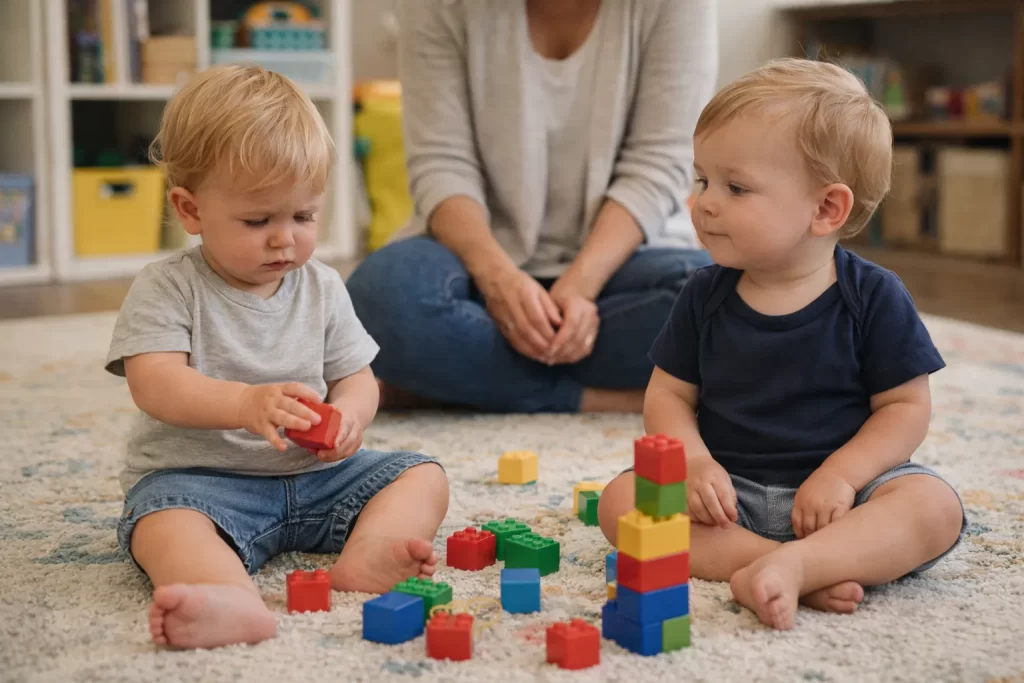
Toddlers often say “mine” and refuse to share. This behavior is common because sharing requires advanced social cognition and impulse control, skills still emerging in early childhood. It is normal for toddlers to prioritize their own needs.
How to Help
Instead of forcing sharing, encourage taking turns. Offer structured opportunities for cooperative play and model sharing behavior. Praise even small sharing efforts to reinforce progress. Incorporate turn-taking games during playtimes to strengthen social skills in a fun way. For a broader understanding, read our complete Child Behavior Guide: 6 Ways to Understand & Manage Kids’ Actions.
3. Separation Anxiety: Safe Transitions

Recognizing the Signs
Separation anxiety is a typical stage in toddlerhood. Toddlers may cling, cry when a caregiver leaves, or refuse daycare. This response is driven by attachment development and trust building.
Supportive Solutions
Create short, predictable goodbye routines. Use comfort objects and reassuring language (“I’ll be back after your nap”). Practice brief separations and gradually lengthen them. Consistency reassures toddlers that caregivers return, reducing anxiety over time.
4. Bedtime Battles: Helping Rest and Behavior

Common Sleep-Related Behaviors
Bedtime resistance, repeated requests for “one more story,” or frequent wake-ups can be a significant Toddler Behavior Problem. Sleep challenges increase irritability and reduce toddlers’ ability to control emotions, often worsening daytime behaviors.
Improve Sleep Structure
Consistent bedtime routines with calming activities (bath, quiet reading) help toddlers wind down. Avoid screens at least 30 minutes before bedtime. A regular sleep schedule supports emotional regulation and reduces behavior challenges. If tantrums are your main concern, don’t miss How to Handle Child Tantrums: 5 Practical Tips Without Yelling.
5. Aggression and Defiance: Frustration Meets Limited Skills
Why Aggression Happens
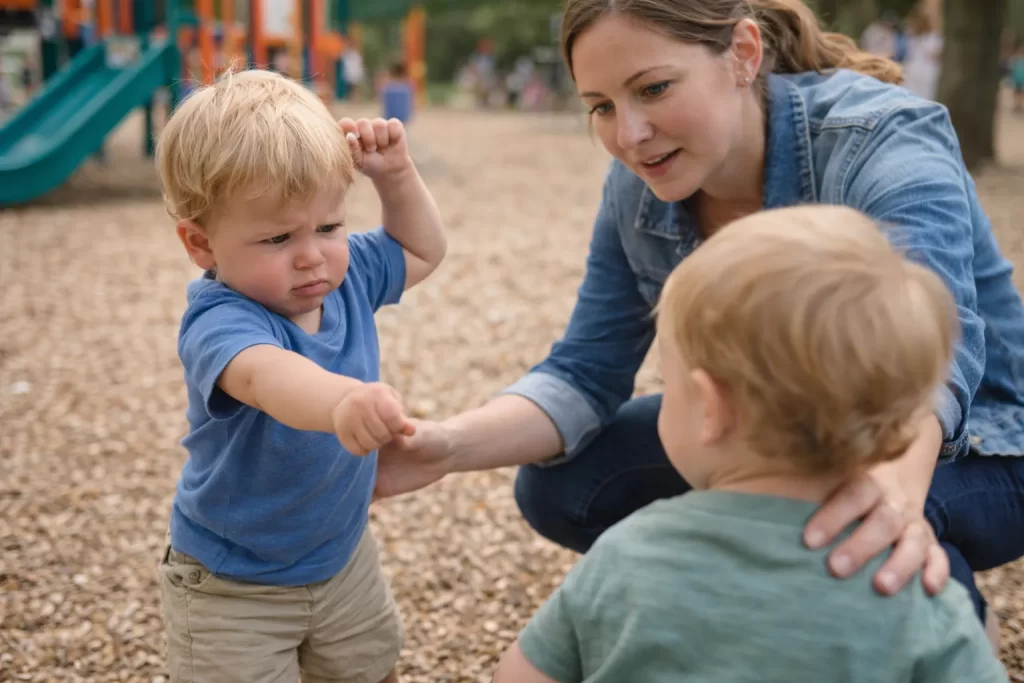
Hitting, biting, or defiance often occur when toddlers can’t express their needs or tolerate limits. These behaviors are part of normal development as toddlers assert autonomy before language catches up.
Managing Aggression
Stay calm but firm. Clearly state limits (“Hands are for gentle touches”). Use positive reinforcement for cooperative behavior. Avoid power struggles by offering choices (“Do you want to put toys away first or shoes on first?”). Redirect energy to safe outlets like physical play.
Solutions Quick Reference Table
| Issue | Typical Age Range | Root Cause | Helpful Strategy |
|---|---|---|---|
| Tantrums | 1–3 yrs | Emotional regulation lag | Calm validation + predictability |
| Refusal to Share | 2–3 yrs | Developing social skills | Model sharing + turn taking |
| Separation Anxiety | 12–24 months | Attachment stress | Routines + reassurance |
| Bedtime Battles | 1.5–3 yrs | Transition difficulty | Structured sleep routine |
| Aggression/Defiance | 1–3 yrs | Frustration/communication lag | Clear limits + positive reinforcement |
Bottom Line: Toddler Behavior Problems
Recognizing Toddler Behavior Problems as developmental learning opportunities changes how we respond. Behavior issues like tantrums, defiance, and anxiety are often normal in toddlers and tied to growing communication and emotional skills. By using routines, positive reinforcement, consistent expectations, and calm guidance, caregivers can reduce stress and support healthy development.
FAQs
At what age do toddler behavior problems peak?
Typically between 18–30 months, as independence and emotions surge.
Are tantrums normal?
Yes, they are a common part of emotional development.
When should I worry about behavior?
If behaviors are severe, persistent, or hindering daily functioning.
Does screen time affect behavior?
Excessive screen time can worsen behavior challenges.
Is professional help sometimes necessary?
Yes, especially if behaviors go beyond typical developmental expectations.
 Emory Stephens