

Table of Contents
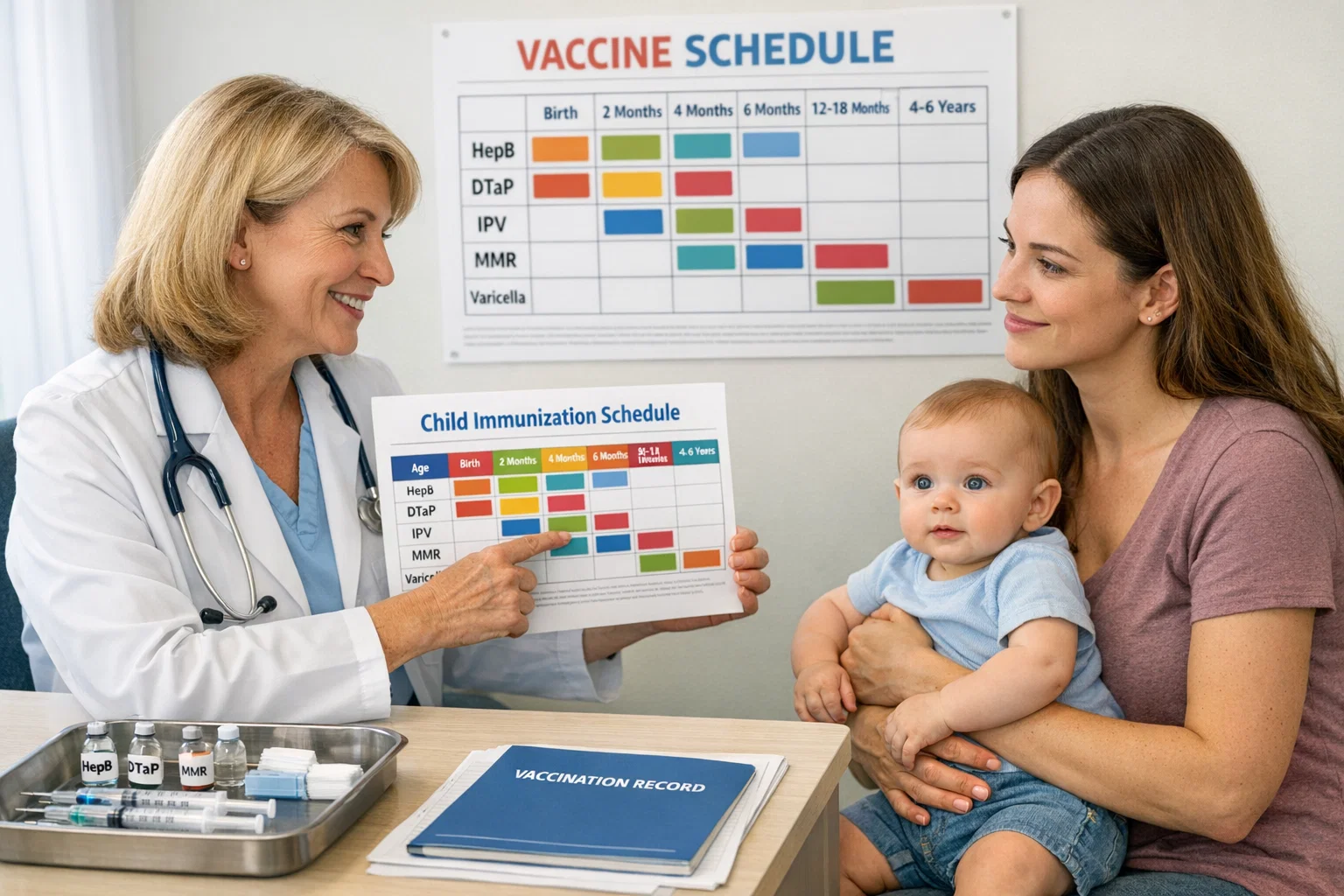
Child Immunization protects children from life-threatening diseases before exposure happens. As of February 26, 2026, the CDC reports that vaccines prevent about 4 million deaths globally each year. In the United States, routine childhood vaccines have reduced diseases like measles and polio by over 99% since 1980.
We follow a strict Child Immunization schedule because young immune systems need protection early. Babies receive their first vaccine at birth. By age 2, they may receive protection against 14 serious diseases. The CDC updates its schedule annually, most recently in January 2026, based on safety and effectiveness data.
Parents often feel overwhelmed by vaccine timelines. However, the schedule is built around when children are most vulnerable. Each dose strengthens immunity at the right developmental stage.
Why the Child Immunization Schedule Matters
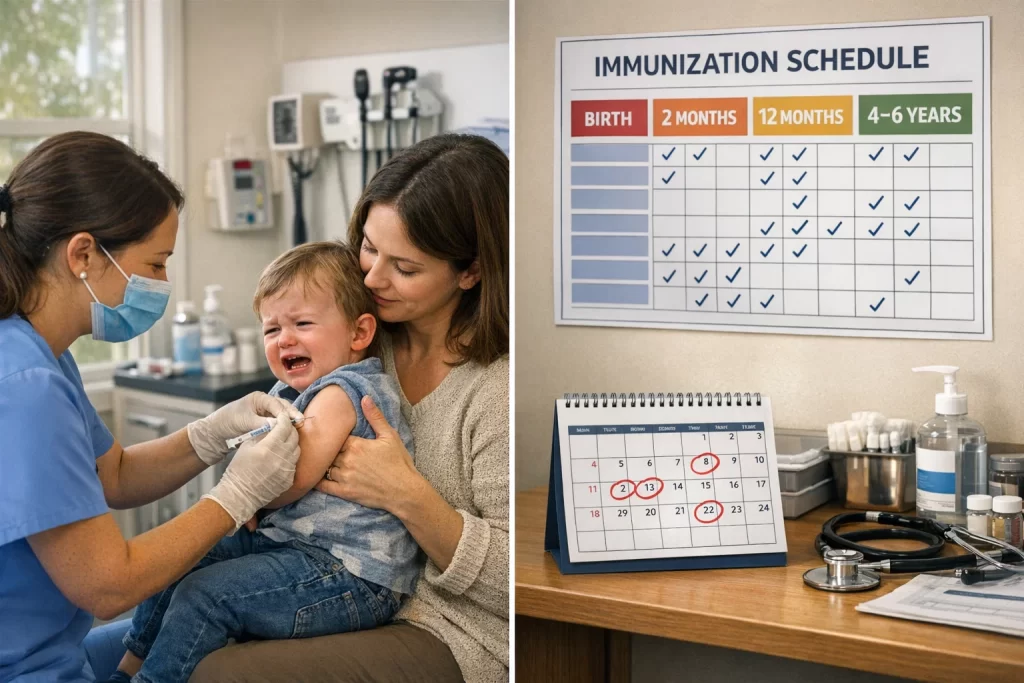
A structured Child Immunization schedule protects children during their highest-risk years. Infants face the greatest threat from infections because their immune systems are still developing. According to CDC 2026 data, 90% of children aged 19–35 months in the U.S. received at least three doses of DTaP. High coverage reduces outbreaks and protects vulnerable children.
How Timing Protects Young Immune Systems
Vaccines are timed based on disease exposure risk. For example, hepatitis B can be spread during birth. That is why the first dose is given within 24 hours. Measles spreads rapidly in communities, so MMR is scheduled at 12–15 months.
Spacing doses also improves immunity. Booster shots strengthen antibody levels. Delays can leave immunity gaps. Following the Child Immunization schedule ensures children develop long-term protection when it matters most. For a broader look at building strong bodies and minds, read our complete child health and nutrition guide.
5 Essential Vaccines in the Child Immunization Schedule
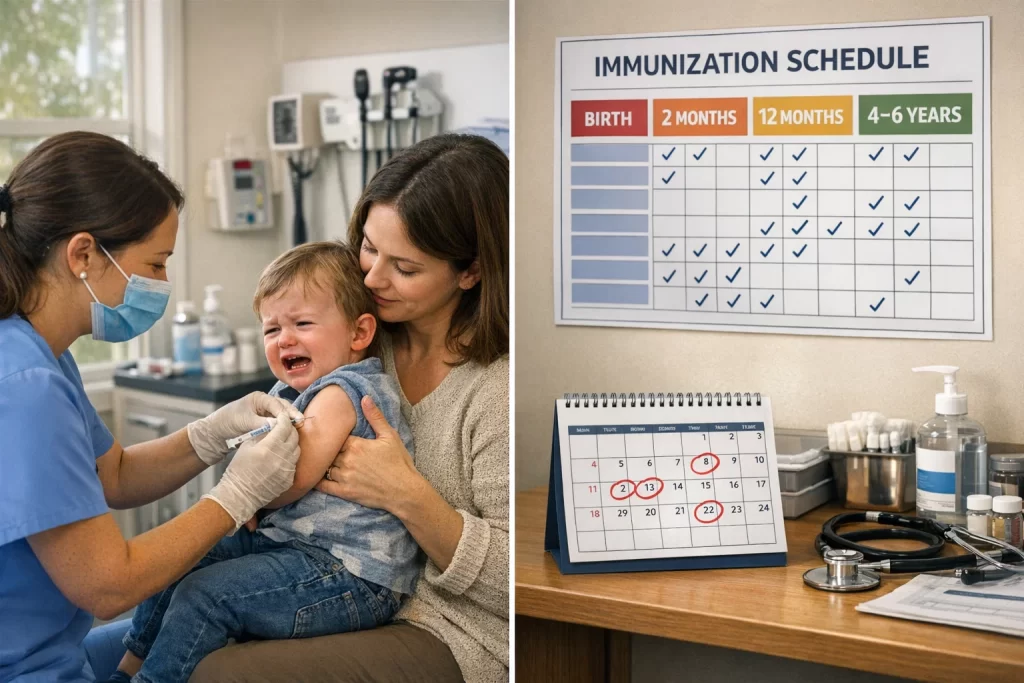
Understanding key vaccines makes the Child Immunization schedule easier to follow. Below are five vaccines every parent should know.
1. Hepatitis B (HepB)
Hepatitis B affects the liver and can cause lifelong infection. In 2026, CDC data shows about 850 new acute HepB cases were reported in U.S. children and adults combined in 2024. Babies receive the first dose at birth, followed by doses at 1–2 months and 6–18 months.
Early vaccination prevents chronic liver disease and liver cancer. Timely dosing ensures strong immunity before possible exposure.
2. DTaP (Diphtheria, Tetanus, Pertussis)
DTaP protects against three severe diseases. Pertussis, or whooping cough, caused over 18,000 U.S. cases in 2024. Infants face the highest hospitalization risk.
DTaP doses occur at 2, 4, 6 months, 15–18 months, and 4–6 years. Boosters maintain immunity during childhood. High coverage protects infants too young for full vaccination.
3. MMR (Measles, Mumps, Rubella)
Measles spreads through the air and infects 9 out of 10 unvaccinated people exposed. In 2024, the U.S. reported over 1,200 measles cases, the highest since 2019.
The first MMR dose is given at 12–15 months. The second dose follows at 4–6 years. Two doses provide 97% protection against measles. Vaccination prevents outbreaks and serious complications.
4. Polio (IPV)
Polio once paralyzed over 15,000 U.S. children annually before vaccines. Although eliminated in the U.S., polio still exists in some countries.
IPV doses are given at 2, 4, 6–18 months, and 4–6 years. Continued vaccination prevents reintroduction. Global travel increases exposure risks, making protection essential.
5. Varicella (Chickenpox)
Before vaccination, chickenpox caused about 4 million U.S. cases yearly. Complications included pneumonia and brain inflammation.
Children receive two doses, at 12–15 months and 4–6 years. Since the vaccine introduction in 1995, hospitalizations declined by over 90%. The vaccine prevents severe disease and school outbreaks. Good immunity starts with a proper diet. Explore healthy nutrition choices for toddlers.
Child Immunization Timeline Overview
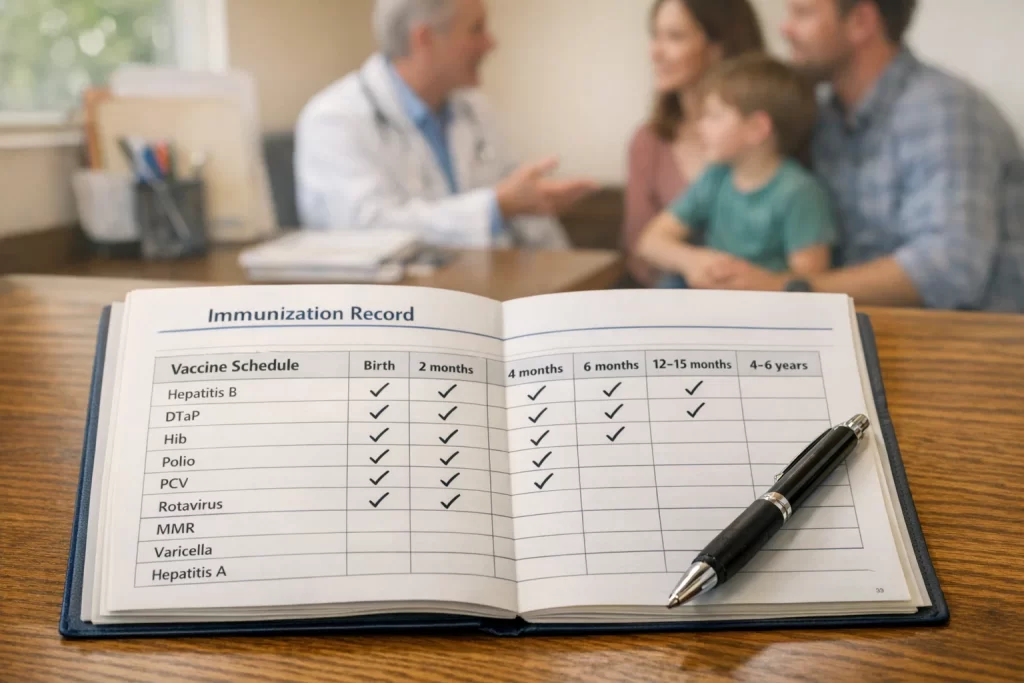
Parents benefit from seeing the schedule clearly organized. The table below summarizes key timing for these five vaccines.
| Vaccine | First Dose | Additional Doses | Total Doses |
|---|---|---|---|
| HepB | Birth | 1–2 mo, 6–18 mo | 3 |
| DTaP | 2 mo | 4 mo, 6 mo, 15–18 mo, 4–6 yrs | 5 |
| MMR | 12–15 mo | 4–6 yrs | 2 |
| IPV | 2 mo | 4 mo, 6–18 mo, 4–6 yrs | 4 |
| Varicella | 12–15 mo | 4–6 yrs | 2 |
This structured Child Immunization plan ensures protection from infancy through early school years.
Safety and Monitoring in Child Immunization
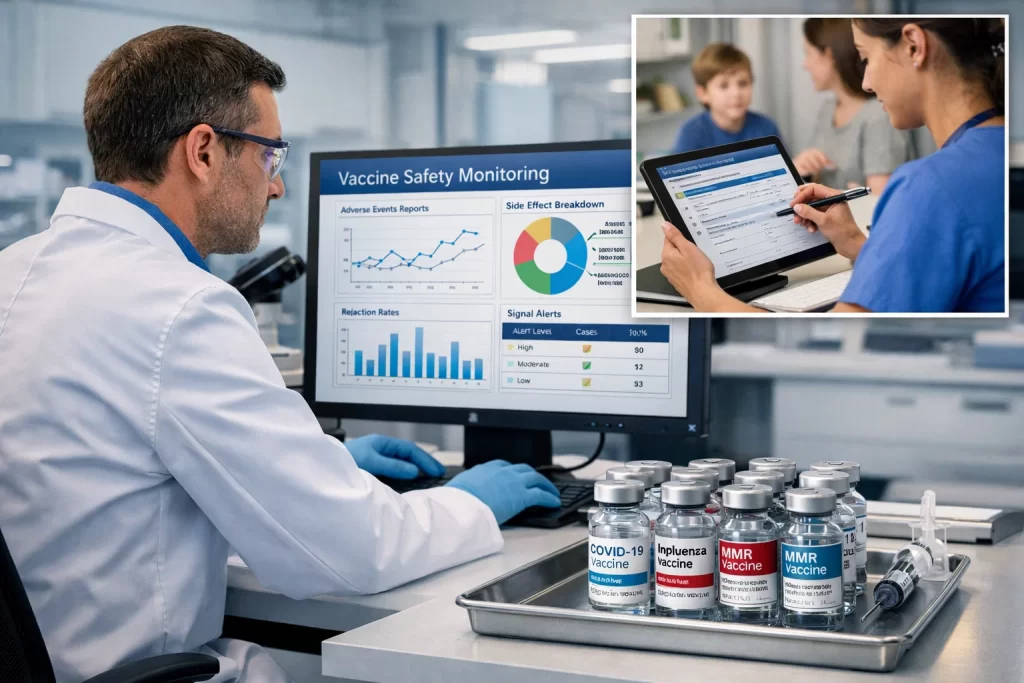
Vaccine safety is strictly monitored. Before approval, vaccines undergo years of clinical trials. After approval, the CDC and FDA track side effects through systems like VAERS.
Serious reactions are rare. For example, severe allergic reactions occur in about 1 in 1 million doses. Mild fever or soreness is common and resolves quickly.
Global organizations such as UNICEF report that vaccines save approximately 3.5–5 million lives annually. Ongoing surveillance ensures safety standards remain high in 2026. When we follow the Child Immunization schedule, the benefits far outweigh the risks. Illness prevention matters, so learn how to identify early signs of common childhood conditions.
Bottom Line
Child Immunization remains one of the safest and most effective public health tools available in 2026. The recommended schedule protects children during their most vulnerable years. HepB, DTaP, MMR, IPV, and Varicella vaccines prevent diseases that once caused widespread death and disability.
We should follow the CDC’s updated schedule without delay. Timely vaccination closes immunity gaps and reduces outbreak risks.