

Why Health and Safety Matter on Media Sets
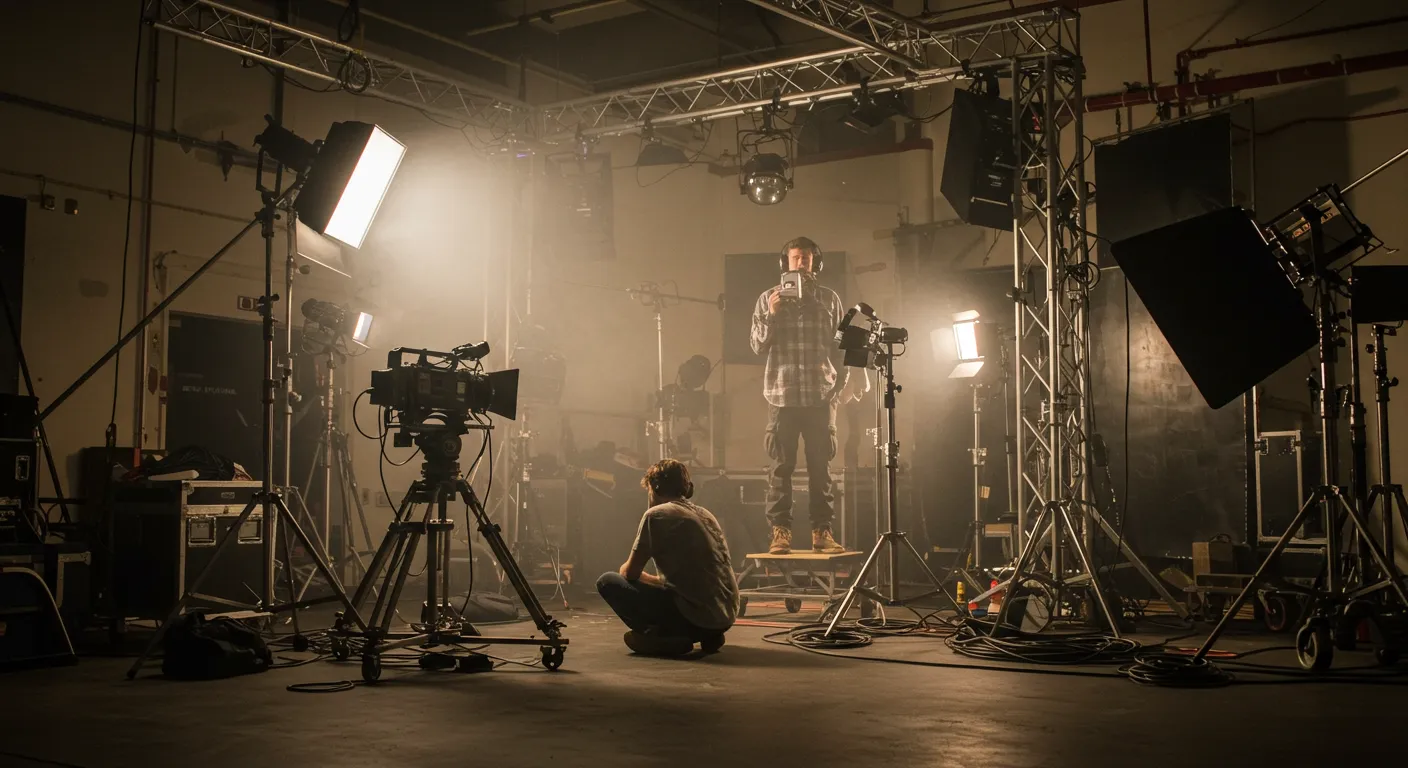
The world of media production is filled with exciting possibilities, bold ideas, and moments of spontaneous creativity. Yet, beneath the surface, every successful production balances artistry with a strong commitment to safety. Behind-the-scenes teams orchestrate complex logistics and often work in environments that range from purpose-built studios to remote outdoor locations. The risks can be as varied as the creative visions themselves. Crowded sets, heavy lighting rigs, power cables, and ever-changing backdrops all contribute to a dynamic environment where vigilance is key.
Ensuring health and safety is more than avoiding fines—it’s about honoring the trust placed in the production by each team member. Industry professional team members provide guidance from experienced media production safety consultants specializing in identifying hazards, performing risk assessments, and creating site-specific plans. Their work goes beyond simple regulatory compliance, providing practical strategies to safeguard crews, protect investments, and foster a culture of responsibility. No matter the scale, safety is everyone’s business—from producers to grips and directors to background actors.
Key Health and Safety Risks in Media Productions
Each media production presents unique challenges. For example, a commercial shot in a high-rise differs significantly from an outdoor action sequence involving stunts, pyrotechnics, or large crowds. Common risks include falls from scaffolding, exposure to loud noises, injuries from moving equipment, and the use of potentially hazardous materials. Minor mishaps, if ignored, can snowball into production-halting incidents. Unexpected medical emergencies—from allergic reactions to dehydration—require rapid response capabilities built into the production plan.
Industry data reveals that film, television, and live event production workers face higher injury rates than many other occupations. The Centers for Disease Control and Prevention (CDC) notes that the lack of robust health and safety measures can lead to increased accidents, particularly among support staff and crew working long hours or overnight shifts. Consistent health screenings, regular safety briefings, and clear emergency procedures dramatically reduce these risks and help teams maintain focus, energy, and morale on set.
Regulatory Guidelines and Safety Standards
Media productions are subject to regulatory requirements and industry-accepted safety standards. These include general workplace rules set by agencies like OSHA and film- and television-specific guidelines published by unions, guilds, and film commissions. Adherence ensures legal compliance and establishes clear expectations for all team members, which is critical for seamless collaboration.
Beyond the basics of fire safety, emergency exits, and electrical compliance, productions must consider regulations about crowd control, vehicle movement, stunt use, animal actors, child labor, and environmental protection. This regulatory web can be dense and ever-changing. As such, many producers bring in dedicated safety advisors to conduct audits, interpret new rules, and oversee training. Continuous review of guidelines, incorporating feedback from cast and crew, and transparent communication all build greater confidence throughout the workforce.
Core Health and Safety Services for Media Projects
A comprehensive production safety strategy includes essential services to protect everyone on site. Among the most critical are:
- On-Site Medical Personnel: Rapid response to accidents or health issues is essential, minimizing downtime and ensuring minor injuries aren’t overlooked.
- COVID-19 Protocols: In the wake of the pandemic, dedicated compliance officers, testing, and hygiene protocols have become standard on many sets, ensuring safe working conditions for all.
- Thorough Risk Assessments: Identifying potential hazards before shooting begins allows strategies to be tailored for each unique environment and scene.
- First Aid and Emergency Training: A well-prepared team is empowered to take immediate action, while knowing how and when to escalate an incident can make all the difference.
- Emergency Response Planning: Clear plans for fire, severe weather, or medical crises reinforce confidence and create a sense of order when every second counts.
- PPE and Hygiene Monitoring: Providing appropriate personal protective equipment and enforcing its use ensures that regulatory standards are met and good habits are maintained.
These services keep people safe and produce to meet schedules and uphold the creative vision without compromise. Pre-Production Safety Planning: What Producers Should Know
The pre-production phase is a golden opportunity to build a robust safety infrastructure before the rush of shooting days begins. Site surveys are conducted with careful attention to detail, flagging hazards such as uneven terrain, power lines, or restricted-access areas. Specialized scenes—such as those involving water, fight choreography, or special effects—require additional planning, with tailored procedures and thorough safety briefings.
Coordination meetings between safety advisors, department heads, and key crew members help anticipate challenges and define roles. Communication protocols, including radios, ringing cha signage, and notifications, are prepared, and emergency contacts are documented. The most effective productions weave safety into the very fabric of their workflow—empowering every team member to look out for themselves and one another, from call time to wrap.
Also Read: MarkyyStreams: What You Need to Know About Free Sports Streaming
Real-Life Challenges and Lessons Learned
Even with careful planning, the unpredictable nature of filming can test the best-laid safety plans. Unforeseen injuries, shifts in weather, or last-minute location changes challenge teams to remain flexible and resourceful. Consider the true story of an outdoor shoot disrupted by sudden storms—here, an on-site medical team ensured that everyone reached shelter promptly, preventing injury and maintaining morale. Other productions credit their quick responses to trained staff who could deliver first aid or adapt to evolving hazards, such as moving heavy equipment across muddy terrain after rain.
These experiences are a testament to the value of vigilance, adaptability, and teamwork. Many crew members feel more confident on sets where safety is prioritized. Leadership is proactive in addressing concerns. A minor incident and a major crisis can often be traced back to preparation and the availability of expert help when it truly matters.
Future Trends in Health and Safety for Media
The future promises continued evolution in how health and safety are managed, streamlining hazard notifications, wearables allow crews to monitor exposure to heat and fatigue in real time, and virtual reality simulations offer immersive safety training that can be customized for each production’s unique circumstances. As technological advances redefine creative and operational workflows, safety protocols are becoming more dynamic and data-driven.
Regulatory frameworks also keep pace, encouraging producers to experiment with new tools and processes—the adoption of intelligent technologies reflects a commitment to protecting workers and recognizing that innovation recognizes the efficiency and well-being. Staying attuned to industry developments allows producers to anticipate challenges and implement best practices more effectively.